Roofing insight
5 Ways to Know When You Need a New Roof
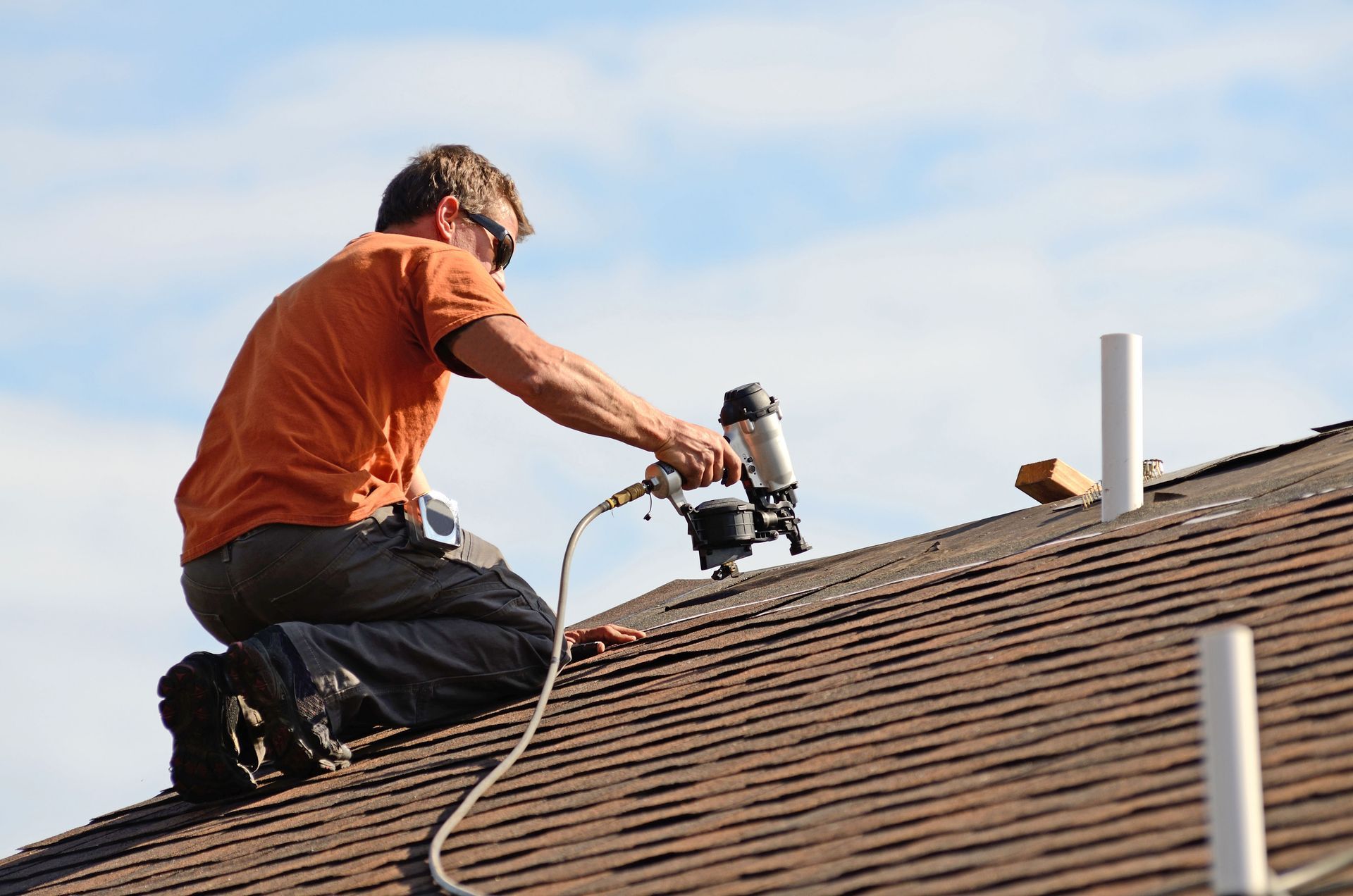
You may need a new roof when damage is widespread rather than isolated: curling or missing shingles, an aging roof, sagging or repeated leaks, unexplained energy changes, or interior water damage. Any one sign calls for an inspection; several signs together may make replacement more practical than repeated repairs for a South Louisiana home.
The five warning signs covered in this guide are:
- Shingle damage: Curling, buckling, missing pieces, or heavy granule loss can leave the roof more exposed to water.
- Roof age: The material, installation, weather exposure, and maintenance history all affect remaining service life.
- Structural issues: Sagging, leaks, water spots, and damaged valleys can signal problems beyond a few shingles.
- Energy changes: Rising bills or uneven temperatures may point to ventilation or insulation problems that require investigation.
- Interior damage: Ceiling stains, peeling finishes, mold, or mildew can indicate moisture entering from above.
A healthy roof plays a vital role in protecting your home's security, energy efficiency, and overall value. Spotting symptoms early can help limit damage and repair costs. An experienced roofing contractor can inspect the full system and explain whether a targeted repair or a new roof is the more practical next step.
1. What Shingle Damage Can Signal Roof Failure?
Shingle damage is often the first visual indicator that your roof may be in trouble. When shingles begin to curl or buckle, it suggests that they are losing their waterproofing capabilities. Curling shingles can result from age, wind damage, or improper installation. It's essential to address these issues early on, as prolonged exposure can lead to leaks and further structural damage. Replacing a few damaged shingles promptly can extend the overall lifespan of your roof and delay a complete roof replacement.
Missing or broken shingles are another red flag that your roof needs attention. This kind of damage often results from storms or high winds that displace shingles from their original positions. Missing shingles can expose the underlayment, increasing the risk of water infiltrating your home. Regular maintenance and inspection performed by a qualified roofing contractor can save you money by preventing more extensive repairs or replacements in the long run.
Asphalt granules in gutters are another sign of shingle deterioration. Over time, shingles shed their granules, which can end up in your gutters, indicating wear. The presence of granules is a natural process, but a significant accumulation may point to advanced shingle aging. The loss of granules impacts the roof's ability to protect against UV rays and water, necessitating attention. In some cases, this may mean considering a full roof replacement, especially if the granule loss is widespread.
2. How Does Roof Age Affect Replacement Timing?
The age of your roof is a critical factor in determining when to replace it. Asphalt shingles are often expected to last 20-25 years, but actual service life depends on the product, installation, maintenance, and weather exposure. Roofs near or beyond their expected service life may be due for replacement even if no visible damage is present. Regular inspections and understanding your roof's age can help you plan for replacement before leaks and other issues arise. Staying proactive about your roof's age can prevent unexpected repairs that can be costly and disruptive.
Lifespan varies significantly depending on the materials used, with metal and slate roofs offering longer life spans than asphalt shingles. Understanding the longevity specific to your roof's materials can guide your replacement timeline. Moreover, regular maintenance plays a significant role in extending a roof's lifespan. Addressing minor issues as they arise can defer the need for total roof replacement. Additionally, climate conditions can also affect the longevity, as extreme weather can shorten the expected lifespan.
Maintenance history is equally crucial in evaluating when a roof may need replacing. Homes with a comprehensive maintenance record typically experience fewer issues and longer-lasting roofs. This means fewer leaks, more energy efficiency, and increased protection for your home. Regular upkeep, including cleaning gutters and repairing minor damage, boosts your roof's resilience. If maintenance has been neglected over the years, calling a roofing contractor for a replacement might be more pressing, as contributing damage may have compounded.
3. Which Structural Issues Need Prompt Attention?
A sagging roof deck is a severe concern that can indicate underlying structural problems. It may result from prolonged exposure to moisture, inadequate support, or noticeable structural shifts. This Old House's New Roof Cost Guide, updated June 5, 2026, states that the average U.S. roof is about 1,700 square feet. That broad area needs consistent support, so a sagging section requires prompt attention to prevent more severe structural failures.
Visible leaks and water spots are unmistakable signs of a compromised roof. Water infiltration can cause extensive damage not only to the roof but also to your home's interior. Addressing leaks promptly can prevent mold growth, structural damage, and other related issues. Regular checks, especially after heavy rains, can help detect these signs early. Having a roofing contractor repair leaks quickly can stave off more extensive damage that often requires complete roof replacement.
Compromised roof valleys can also be a breeding ground for leaks and other structural issues. Roof valleys are critical for directing water off the roof efficiently. Any damage here can lead to water pooling, eventually finding its way into your home. Ensuring roof valleys are intact is essential for roof durability and overall structural integrity. Regular maintenance and a vigilant eye for valley condition can safeguard your home from potential leaks.
4. Can Energy Changes Point to a Roof Problem?
Rising energy bills may be the result of inefficient insulation, which is often tied to roof health. Inadequate roofing or aging materials can cause energy inefficiencies, leading to higher heating and cooling costs. Inefficient insulation can mean your home isn't maintaining the desired internal temperature effectively. Analyzing your energy bills over time can reveal patterns indicating that your roof may need attention.
Roof ventilation issues can also contribute to increased energy bills. Proper ventilation ensures that your attic remains cool or warm as needed, managing overall house energy efficiency. Poor ventilation can lead to overheating or excessive cooling, both of which reflect directly on your energy expenses. Addressing these ventilation issues can significantly enhance your home's energy efficiency.
Examining seasonal fluctuations in your bills can also point to roof health concerns. If you notice more than usual spikes during particular seasons, such as summer or winter, it may be because of your roof's condition. Poor insulation can create significant temperature variations, making your heating or cooling systems work harder. Addressing these signs by consulting a roofing contractor or other roof expert can help pinpoint and resolve the issues.
5. What Interior Damage Can a Failing Roof Cause?
Water stains or discoloration on your walls or ceiling often suggest roof-related issues. These stains usually result from leaks, which can escalate if not addressed quickly. Ignoring these signs can lead to more significant damages, such as weakened structural elements and mold growth. Identifying the source of these water stains can determine whether a roof replacement is necessary. Quick action in resolving these issues can prevent further damage to both your roof and your home's interior.
Peeling paint and wallpaper are additional indicators that your roof might be compromised. These signs often arise due to moisture getting trapped within your walls, typically because of roof leaks. Over time, this moisture causes the adhesives in paint and wallpaper to weaken, leading to peeling. Monitoring these issues can help you identify roof problems early. If peeling persists despite efforts to repair minor leaks or damage, consider consulting a professional roofing contractor for a replacement.
The presence of mold or mildew, particularly in your attic or upper floors, is a serious concern. Mold not only affects indoor air quality but can also weaken structural components, posing health risks. Moisture from leaks creates a favorable environment for mold and mildew growth, spreading quickly if not contained. Ensuring proper roof maintenance helps prevent such damaging growth.
Recognizing when your roof may need replacement is essential to keeping your home safe, efficient, and protected. Understanding the warning signs allows you to take proactive measures before minor problems turn into costly damage. If you've noticed these issues, consult Roofs Restored about shingle roof repairs or shingle reroofing in South Louisiana so you can make an informed decision about your roof's future. If your home needs a new roof, request a free roofing estimate from Roofs Restored.