Roofing insight
Storm Damage Roof Repair in South Louisiana
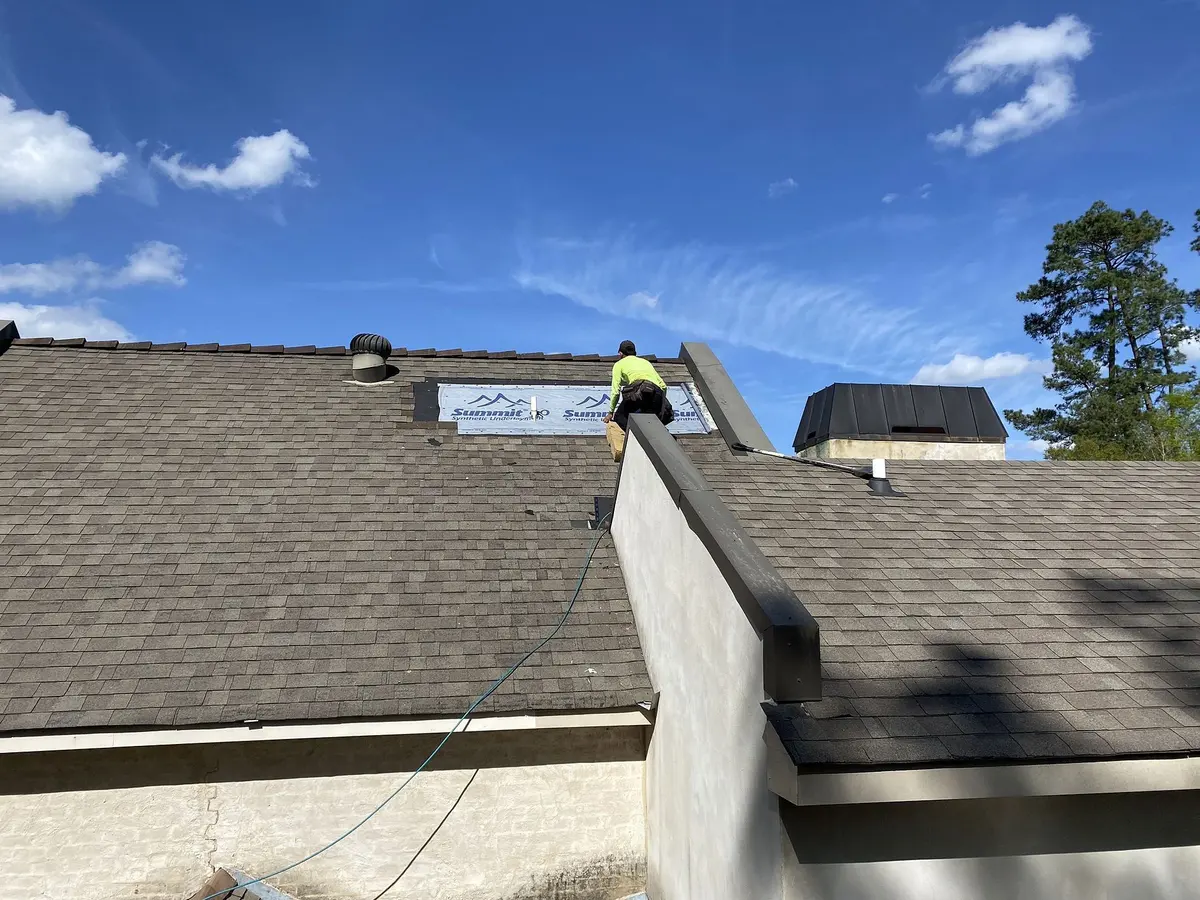
After a hurricane or severe storm in South Louisiana, wait until local officials say conditions are safe, then check the roof from the ground and interior. Look for active leaks, missing materials, damaged flashing, fallen branches, and ceiling stains. Document the condition before permanent work and ask a qualified roofer to evaluate anything you cannot see safely.
Published July 22, 2026. Sources and safety guidance reviewed July 22, 2026.
Use this order after a storm:
- Protect people first. Follow evacuation, reentry, flood, utility, and downed-line instructions from local officials.
- Check for urgent water entry. From a safe interior location, look for dripping water, wet ceilings, damp attic materials, or daylight through an opening.
- Limit additional damage safely. Move belongings or place containers only when the area is structurally and electrically safe. Leave roof tarping to trained workers.
- Document before cleanup or permanent repair. Take wide and close photographs, record the date, and keep receipts and written records.
- Arrange an inspection. Ask for a written roof-condition report and repair estimate, then contact your insurer if you may file a claim.
How Soon Should You Inspect a Roof After a Hurricane or Storm?
Begin a ground-level and interior check after officials have cleared the area, the storm has passed, and daylight makes conditions visible. Do not climb onto a wet or damaged roof. If water is entering, a ceiling is sagging, a tree has struck the structure, or roofing is open to the sky, keep people away from that area and seek qualified help promptly.
Ready.gov's hurricane guidance says to follow local officials after a hurricane, avoid wet electrical equipment and floodwater, document property damage with photographs, and contact the insurance company for assistance. Those safety steps come before a detailed roof assessment.
Start with four safe viewing points:
| Viewing point | What to look for | What not to do |
|---|---|---|
| Yard or street | Missing shingles or panels, bent flashing, loose gutters, branches, debris, or visible openings | Do not approach downed lines, unstable trees, or debris resting on the roof |
| Windows | Changes along roof edges, ridges, valleys, vents, chimneys, and wall intersections | Do not lean out or use an unstable ladder |
| Ceilings and upper walls | New stains, bubbling paint, dripping water, cracks, or sagging finishes | Do not stand below a bulging or water-heavy ceiling |
| Attic, if safely accessible | Damp decking, wet insulation, water trails, daylight, or displaced materials | Do not enter if the structure, wiring, access, or air quality appears unsafe |
South Louisiana homeowners should not assume that only a major hurricane can harm a roof. The National Weather Service New Orleans/Baton Rouge wind-impact table says that at 39 to 50 mph, a few homes may receive mostly minor shingle and siding damage. At 50 to 60 mph, houses of poor to average construction may have damage to shingles, siding, and gutters. The table describes broader roof damage at 74 to 90 mph. Actual damage depends on the building, roof condition, installation, surrounding debris, and the wind at that specific property.
What Emergency Roof Protection Is Safe After a Storm?
Emergency protection should stop or reduce water entry without creating a fall, electrical, or structural hazard. A temporary dry-in or tarp is not a permanent roof repair. Keep occupants away from unsafe rooms, move belongings only when conditions allow, collect dripping water, and hire trained workers to cover exposed roofing when the weather and structure permit safe access.
The Occupational Safety and Health Administration's hurricane roof-inspection guidance describes damaged roofs as potentially steep, slippery, deteriorated, and close to utility lines. OSHA also identifies falls, improper ladder use, and electrical contact as major hazards during inspection, tarping, and repair. That is why a homeowner should not climb up to install a tarp after a hurricane.
Take these precautions while waiting for an inspection:
- Keep clear of electrical hazards. Ready.gov says not to touch wet electrical equipment or equipment while standing in water. Turn off power at the main breaker only if it is safe to reach and operate.
- Isolate damaged rooms. Keep people and pets away from sagging ceilings, broken glass, exposed fasteners, and areas below damaged roof framing.
- Use containers only on stable floors. Do not work beneath a ceiling that is bulging or shedding material.
- Avoid permanent work before the scope is understood. Emergency protection can limit additional damage while leaving the original condition available for inspection and documentation.
- Keep every receipt. Record the company, date, materials, and purpose of emergency protection or cleanup.
For isolated shingle damage or a suspected leak, review Roofs Restored's South Louisiana shingle roof repair options. An inspection can distinguish temporary protection from the permanent repair the roof needs.
What Wind and Rain Damage Should You Look For?
Storm damage can affect the roof covering, edges, flashing, penetrations, deck, drainage, and interior even when no large section is missing. Wind may lift or remove materials and drive debris into the roof. Rain can then enter through small openings and travel along the deck or framing before appearing on a ceiling away from the entry point.
Common signs include:
- Shingles: missing tabs, lifted edges, creases, tears, cracks, displaced pieces, or fresh piles of granules near downspouts.
- Metal roofing: displaced panels or trim, opened seams, loose or missing fasteners, punctures, dents near seams, or damaged ridge and edge pieces.
- Flashing and penetrations: bent or separated metal around walls, chimneys, valleys, skylights, vents, and pipe penetrations.
- Roof edges and drainage: loose fascia, damaged soffit, twisted gutters, blocked downspouts, or debris that prevents water from leaving the roof.
- Deck and framing: a new dip, uneven roof line, soft-looking area, split wood visible from the attic, or a branch impact.
- Interior: water stains, damp insulation, peeling finishes, musty odors, wet flooring, or a ceiling that bubbles or sags.
Some damage is hidden from the yard. A roof can look intact while lifted shingles, failed flashing, punctured underlayment, or a small opening admits wind-driven rain. Conversely, cosmetic marks do not automatically mean the roof requires replacement. A written inspection should connect each observed condition to a recommended repair, further evaluation, or monitoring step.
How Should You Document Storm Damage Before Roof Repair?
When it is safe, document the condition before cleanup, temporary protection, or permanent repair. Take wide photographs of the affected room or roof slope, then close photographs of each visible issue. Add the storm date, discovery date, location, and a short description. Keep original files, written reports, estimates, invoices, receipts, and insurer communications together.
The Federal Emergency Management Agency's April 16, 2025 guide, How to Document Damages After Severe Weather Events, recommends photographs and video of structural and personal-property damage inside and outside, plus receipts for purchases and repairs. FEMA also advises consulting the insurer before signing a cleaning, remediation, or maintenance agreement.
Build a useful roof record with:
- Property overview: Photograph each exterior side from a safe distance and record the street address.
- Roof observations: Capture visible damage from the ground or a safe window. Do not climb onto the roof for a better angle.
- Interior observations: Photograph ceiling stains, wet insulation, wall damage, and the path water appears to have taken.
- Cause and timing notes: Record when the storm occurred, when you first found the damage, and whether water entry changed during later rain.
- Emergency work: Photograph the area before and after temporary protection, and keep an itemized receipt.
- Professional findings: Ask the roofer to identify affected slopes and components, provide photographs, explain repair versus replacement, and issue a written estimate.
Keep unedited originals even if you make annotated copies. A clear record helps contractors price the same scope and gives the insurer information to review; it does not by itself establish that a loss is covered.
What Can a Roofer and Insurer Decide About a Claim?
A roofer documents visible conditions, photographs, the proposed construction scope, and an estimate. The insurer decides coverage and payment under the policy. A roofer should not promise that insurance will pay, interpret your deductible, approve a claim, or guarantee an outcome. The insurer's decision depends on the policy, cause of loss, evidence, investigation, and applicable law.
The Louisiana Department of Insurance's Consumer's Guide to Homeowners Insurance, revised October 2025, says to keep a record of claim conversations, list temporary repairs, save receipts for materials, and speak with the insurer before signing contracts or work orders. Contact the insurer or agent using the contact information on your policy or insurer's official website, and ask what the company needs before permanent repairs begin.
Ask the insurer these questions directly:
- What claim number and contact information should I use?
- Does the insurer need to inspect before permanent roof work starts?
- What documentation is required for emergency protection and permanent repair?
- Which deductible may apply to this reported event?
- Are there deadlines for notice, proof of loss, estimates, or other documents?
- How should I handle damaged materials that may need to be removed for safety?
- Does the policy address wind, wind-driven rain, and flood water differently?
Do not assume that visible storm damage, a contractor's estimate, or an emergency tarp guarantees reimbursement. Do not delay work needed to protect people from an immediate hazard, but document the condition and contact the insurer as soon as practical. If you need help understanding policy language or a coverage dispute, seek guidance from the insurer, the Louisiana Department of Insurance, or an appropriately licensed insurance or legal professional rather than relying on a roofing sales statement.
When Is Storm Damage a Repair Instead of a Roof Replacement?
A repair may fit when damage is isolated, the surrounding roof remains serviceable, compatible materials are available, and the deck and flashing can be restored without rebuilding large sections. Replacement may require consideration when damage is widespread, several slopes or systems have failed, the deck is compromised, materials cannot be integrated reliably, or repeated leaks show that spot repairs will not restore the assembly.
The decision should follow the inspection, not the storm name or a sales rule. Ask the contractor to show:
- Which roof slopes and components are damaged
- Which findings are storm-related observations and which are pre-existing wear or maintenance issues
- What a targeted repair includes and excludes
- Why replacement is recommended if repair is not practical
- What hidden conditions could change the written scope
- Which product specifications, installation details, permits, and inspections apply
Compare shingle reroofing choices for South Louisiana homes and metal roof repair and installation services only after the existing roof has been evaluated. If you are choosing who should perform the work, use these questions to ask a roofing contractor to compare documentation, relevant experience, post-project support, and job-site safety.
If replacement is one of the documented options, use the 2026 South Louisiana roof replacement cost guide to compare measured area, materials, tear-off, decking, access, and other scope items instead of relying on a generic price range.
What Should You Do Next About a Storm-Damaged Roof?
If conditions are safe, photograph visible damage, protect the interior without entering hazardous areas, notify your insurer if you may file a claim, and arrange a professional roof inspection. Ask for written findings and an itemized scope before permanent work. Keep emergency measures, the insurer's coverage and payment decisions, and the roofing contract documented as separate steps.
Roofs Restored in Hammond serves South Louisiana homeowners who need a roof condition assessment after wind or rain. Review the storm damage roof repair and insurance claims hub for the seven-step inspection-to-claim-to-repair workflow, then request a roofing estimate from Roofs Restored.
Sources Reviewed July 22, 2026
- Ready.gov: Hurricanes, Federal Emergency Management Agency and U.S. Department of Homeland Security
- NWS New Orleans/Baton Rouge: Hurricane Wind Threats and Impacts, National Weather Service
- OSHA Hurricane eMatrix: Roof Inspection, Tarping, and Repair, Occupational Safety and Health Administration
- FEMA: How to Document Damages After Severe Weather Events, released April 16, 2025
- Louisiana Department of Insurance: Consumer's Guide to Homeowners Insurance, revised October 2025