Roofing insight
2026 South Louisiana Roof Replacement Cost Guide
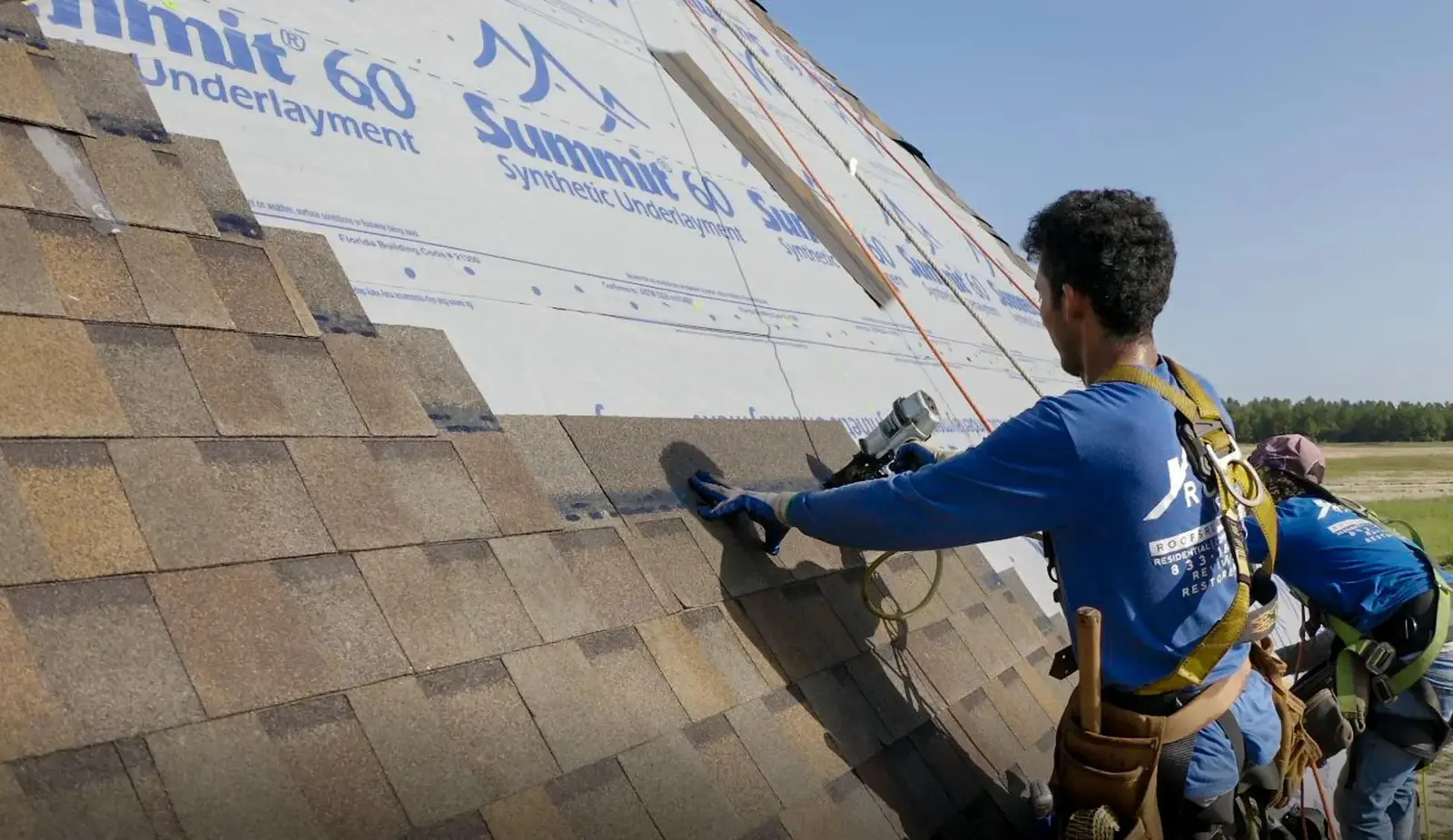
As of July 22, 2026, South Louisiana roof replacement cost cannot be calculated from home size alone. The quote depends on measured roof area, material, tear-off, deck condition, flashing, ventilation, roof shape, access, permit requirements, and the wind-rated installation details selected for the property. This guide shows how to compare those variables and weigh repair against replacement.
Roofs Restored in Hammond serves homeowners across South Louisiana. A roof-specific written estimate is more useful than an unsupported online average because it documents the measured area, roof condition, selected materials, and work required for that property.
How Much Does Roof Replacement Cost in South Louisiana in 2026?
The honest 2026 answer is that roof replacement cost must be based on an inspection and measured scope, not a generic regional range. Two homes with similar floor plans can have different roof areas, slopes, materials, access limits, flashing details, ventilation needs, and damaged decking. Each difference can change labor, material, equipment, and disposal costs.
A complete quote should separate the known scope from possible costs that cannot be confirmed until tear-off. Ask the estimator to identify the roof covering, underlayment, flashing, drip edge, vents, tear-off and disposal, property protection, permit allowances, cleanup, and any unit price for replacing damaged decking discovered below the old roof.
For a property-specific figure, request a free roofing estimate from Roofs Restored. The inspection should give you the measurements and condition findings needed to compare repair with replacement.
Which Factors Have the Biggest Effect on a 2026 Roof Quote?
Roof area, material system, labor complexity, tear-off, and hidden deck repairs usually shape the core scope, while access, flashing, ventilation, permits, and resilience upgrades add project-specific work. A useful 2026 estimate lists these factors individually so you can see whether competing contractors priced the same roof assembly rather than comparing only bottom-line totals.
| Cost factor | What the estimator should document |
|---|---|
| Measured roof area | Total roof surface, including slopes and overhangs, rather than interior floor area alone |
| Roof shape and pitch | Valleys, hips, dormers, penetrations, steep sections, and other details that affect labor and safety |
| Roofing system | Shingle or metal product, underlayment, starter, fasteners, flashing, drip edge, ridge components, and vents |
| Existing layers | What must be removed, hauled away, and disposed of before the new system is installed |
| Roof deck condition | Visible damage plus a written unit price or approval process for concealed wood replacement |
| Access and protection | Building height, driveway and yard access, landscaping protection, staging, and equipment needs |
| Code and permit scope | Requirements confirmed for the parish or municipality where the home is located |
| Wind and rain details | Product wind rating, fastening pattern, sealed-deck option, flashing, and edge details |
| Timing and availability | Material lead times, safe weather windows, and demand after a major storm |
Material choice changes both the initial scope and the ownership period you should compare. Review South Louisiana shingle reroofing options and metal roof installation and repair services, then ask for system-specific written scopes. Do not compare a basic shingle quote with a metal or upgraded resilience system as if the assemblies were interchangeable.
How Should You Compare Roof Replacement Estimates?
Compare roof estimates line by line, using the same material, removal scope, deck assumptions, flashing, ventilation, permit responsibility, cleanup, and warranty documents. A lower total may exclude work another contractor included. Clarifying allowances and change-order rules before signing is more reliable than assuming every bid covers a complete roof system.
Use this checklist for each proposal:
- Confirm the measurements. Ask how the roof area and pitch were calculated.
- Name every product. Record the manufacturer, product line, underlayment, fasteners, vents, and flashing materials.
- Define tear-off. Confirm how many existing layers are included and where debris disposal appears in the price.
- Plan for concealed damage. Get the decking unit price and approval process in writing before the old covering comes off.
- Confirm wind details. Ask for the selected product's tested rating and the installation instructions required to achieve it.
- Assign permit responsibility. Identify who confirms local requirements, obtains approvals, and schedules inspections.
- Check exclusions. Look for gutters, fascia, chimney work, interior repairs, solar equipment, and other items outside the roofing scope.
- Review payment and change orders. Understand deposits, milestones, final payment, and how added work must be authorized.
Before choosing a bid, use these questions to ask a roofing contractor to verify licensing, insurance, relevant experience, documentation, and job-site safety.
When Does Roof Repair or Replacement Make More Sense?
Repair may fit when damage is isolated, the surrounding roof remains serviceable, the deck is sound, compatible materials are available, and the work can correct the cause rather than cover a symptom. The decision should follow a full-roof inspection because water can travel before it appears on a ceiling.
Repair may be the practical choice when:
- A limited number of shingles or one flashing detail is damaged.
- One leak source can be identified and the surrounding assembly remains in usable condition.
- Storm damage is confined to a small area and the rest of the roof is performing normally.
- Matching or compatible materials can be installed without creating a weak transition.
- The written repair scope addresses damaged underlayment, flashing, or decking instead of replacing only the visible surface.
Read the South Louisiana shingle roof repair and insurance hub when the damage appears localized. A contractor should still inspect the full roof and explain the evidence behind the recommendation.
Replacement may fit when deterioration or storm damage is widespread, leaks recur in different areas, the roof deck has broad moisture damage, the existing covering cannot support a durable repair, or repeated repair proposals no longer address the whole system. Roof age provides context, but condition and repair history matter more than a birthday alone.
Replacement deserves serious consideration when:
- Missing, cracked, curled, or brittle roofing extends across multiple slopes.
- Leaks appear at several unrelated points or continue after correctly scoped repairs.
- Tear-off is needed to inspect and replace damaged decking across a broad area.
- Flashing, underlayment, ventilation, and roof covering all need substantial correction.
- The existing product is unavailable and patching would leave unreliable transitions.
- Written repair bids, expected remaining service life, and replacement bids show that continued patching offers poor long-term value.
There is no universal percentage that decides every roof. Compare documented damage, the cause of failure, expected service life after repair, and complete written prices. The warning signs in this guide to knowing when you may need a new roof can help you prepare for the inspection.
What South Louisiana Details Should Be Included in the Scope?
A South Louisiana replacement scope should address wind-driven rain, roof-edge attachment, deck condition, underlayment, flashing, drainage, ventilation, corrosion exposure where applicable, and a roof covering tested for the property's wind requirements. The correct specification depends on the home, location, product, local code, and installation instructions, so request documentation rather than a broad hurricane-proof claim.
The LSU AgCenter's Roofing to Resist Wind and Rain Damage, dated September 19, 2008, explains that decking strengthens the roof and transfers wind loads. It also discusses sealed deck seams, underlayment, drip edge, starter strip, and product wind ratings as parts of the complete assembly.
LSU AgCenter housing specialist Claudette Reichel's hurricane-hardy roof guidance, published November 2, 2020, recommends removing the existing covering during reroofing, checking the deck, replacing damaged wood, adding a secondary moisture barrier, and following the selected product's high-wind instructions. The exact 2026 scope must still meet current local requirements and manufacturer instructions.
If you are considering a stronger voluntary standard, the Insurance Institute for Business & Home Safety publishes the 2025 FORTIFIED Home Standard and current technical documents. Projects seeking a FORTIFIED designation need the program's required evaluator, documentation, materials, and installation process; a standard reroof does not receive that designation automatically.
How Do Storm Damage and Insurance Affect the Decision?
After storm damage, protect people first, prevent additional water entry when it is safe, photograph visible damage, keep receipts, and contact the insurer promptly. The South Louisiana storm damage roof repair guide provides the full safety and documentation sequence. Do not assume a policy will pay for repair or replacement. Coverage, deductibles, depreciation, deadlines, exclusions, and required documentation vary by policy and claim.
FEMA's April 16, 2025 guidance, How to Document Damages After Severe Weather Events, recommends taking photos and videos of structural and personal-property damage, keeping receipts for purchases and repairs, and consulting the insurance adjuster or company before signing a cleaning, remediation, or maintenance agreement. Those records help preserve facts; they do not determine whether roof damage is covered under a policy.
The roofer documents visible conditions, the proposed construction scope, and an estimate. The insurer or adjuster decides coverage and payment under the policy. Ask both parties to explain decisions in writing, and do not delay emergency measures needed to prevent further damage when conditions are safe.
Can a New Roof Change Cooling Performance?
A roof replacement creates an opportunity to compare reflective roofing, insulation, air sealing, and ventilation, but savings are not automatic. Roof color and solar reflectance are only part of the building system. Existing insulation, ducts, attic design, shade, thermostat settings, energy prices, and installation details all affect the result and cost.
The U.S. Department of Energy's Consumer Guide to Cool Roofs, published in August 2021, explains that cool roofs reflect more sunlight and absorb less solar energy than conventional roofs. Ask for product data and a separate price for any efficiency upgrade so you can compare it with the standard roof scope without relying on promised savings.
What Should You Do Before Requesting a 2026 Estimate?
Before the appointment, gather the roof's known age, previous invoices, leak and repair history, storm dates, attic or ceiling photos, insurance documents, and any plans for solar panels or other roof-mounted equipment. Clear information helps the estimator investigate recurring problems and build a scope around the actual home rather than assumptions.
Ask the estimator to answer four questions:
- What damage or deterioration did you document, and where is it located?
- Can a repair correct the cause and provide reasonable remaining service life?
- What replacement details are required for this home and jurisdiction?
- Which costs are fixed, which are allowances, and which may change after tear-off?
Get a roof-specific answer. Request your free roofing estimate so Roofs Restored can inspect the roof, explain the repair-versus-replace evidence, and provide a written 2026 scope for your South Louisiana home.