Roofing insight
Energy-Efficient Roofing in South Louisiana
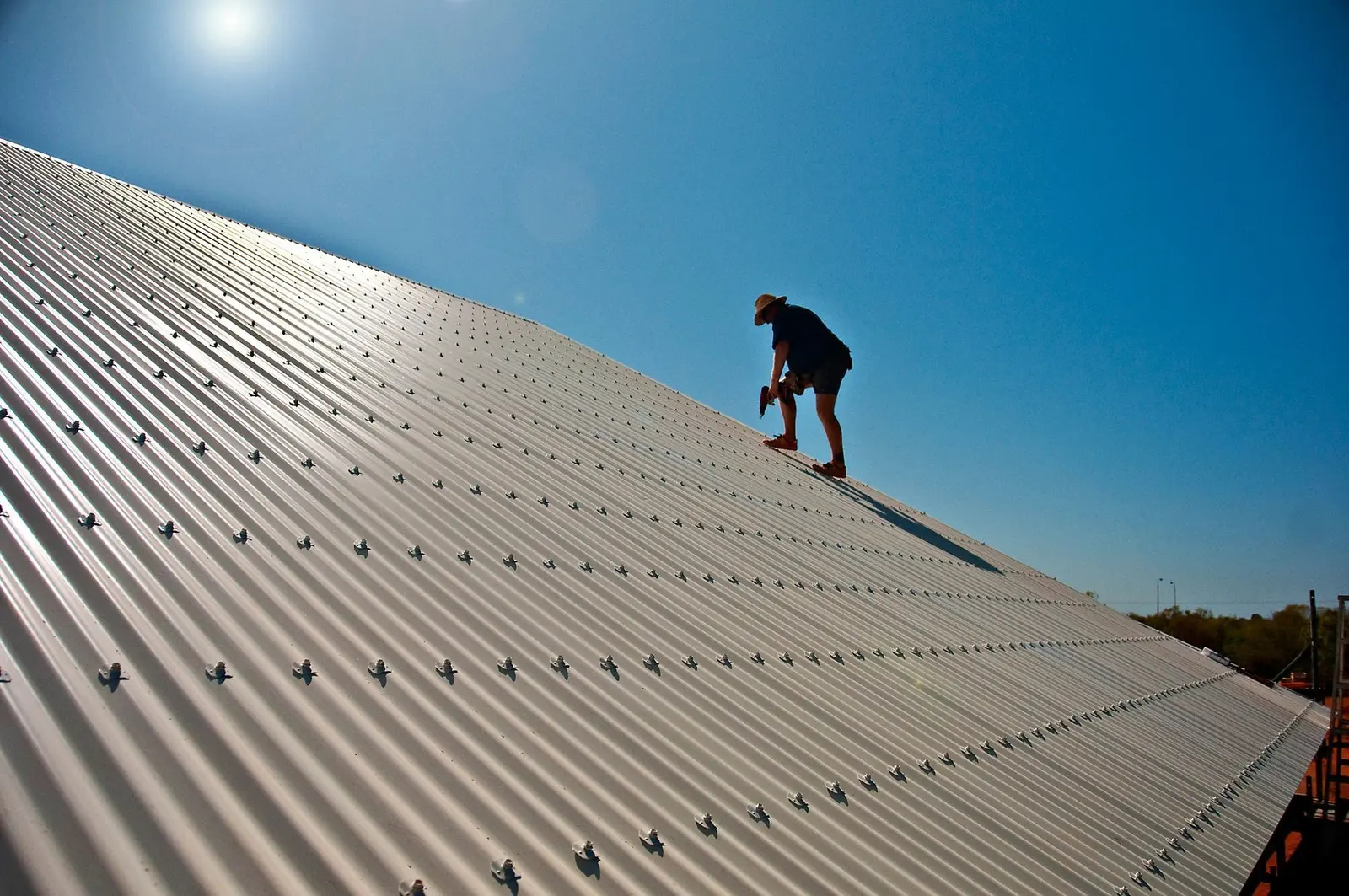
For South Louisiana homes, the most energy-efficient roofing choice is usually a tested cool-roof product paired with correct attic insulation, air sealing, and moisture control. Roofs Restored in Hammond compares reflective metal and cool-color asphalt shingles across Hammond, Baton Rouge, Covington, Mandeville, Slidell, and nearby communities. Ask for exact initial and three-year-aged ratings because a material name or color alone cannot predict utility savings.
This page answers three common buying questions in one place:
- Which cool-roof shingles can reduce roof heat gain? Compare the exact product, color, solar reflectance, thermal emittance, and Solar Reflectance Index instead of relying on a “cool” label.
- Which sustainable roofing options can reduce home cooling costs? Reflective metal, cool-color asphalt shingles, and some rated tile products can reduce solar heat gain, but insulation and air sealing still matter.
- What are the long-lasting alternatives to traditional shingles? Metal and tile can last longer in the right assembly, while cool shingles preserve the familiar asphalt-roof format at a different initial cost.
Published August 3, 2026; sources reviewed August 9, 2026. The figures below describe standardized ratings, published models, or specific comparisons, not promised savings for a particular house.
What Makes a Roof Energy-Efficient in South Louisiana?
An energy-efficient roof limits unwanted solar heat while preserving the attic’s moisture-control design. Compare the roof covering’s solar reflectance, thermal emittance, and calculated Solar Reflectance Index. Then inspect insulation, ceiling air leaks, ventilation, ducts, and moisture paths as one system.
The Cool Roof Rating Council defines the two measured properties on a scale from 0 to 1:
- Solar reflectance measures the fraction of sunlight a roof reflects. A higher value means less solar energy is absorbed at the surface.
- Thermal emittance measures how effectively the roof releases absorbed heat as infrared radiation. A higher value means the surface can shed heat more effectively.
- Solar Reflectance Index, or SRI, combines solar reflectance and thermal emittance into a calculated surface-temperature comparison. SRI is not a percentage of sunlight reflected and is not a utility-bill estimate.
The CRRC Rated Roof Products Directory publishes initial and three-year-aged values. Its SRI filters run from -10 to 125, so SRI is not a percentage. A listing reports radiative performance, not a product ranking, code approval, availability guarantee, or seasonal energy model.
Which Sustainable Roofing Options Can Reduce Home Cooling Costs?
Within Roofs Restored’s scope, compare reflective metal with cool-color asphalt shingles. Rated clay or concrete tile can also reflect heat and provide a long service life, but it requires a separate review of structural capacity, attachment, repair access, and local installer support. No material lowers every home’s cooling costs by a fixed percentage.
| Roofing option | How it can manage heat | Durability and sustainability questions | What to verify before buying |
|---|---|---|---|
| Reflective metal | Factory coatings can combine solar reflectance with high thermal emittance; some darker “cool colors” use infrared-reflective pigments | Long service life and end-of-life recyclability can reduce replacement waste, but coating, corrosion exposure, fasteners, and maintenance matter | Exact panel, substrate, coating, color, CRRC values, wind approval, salt-distance limits, and written warranty |
| Cool-color asphalt shingles | Reflective granules can raise solar reflectance while keeping a familiar shingle appearance | Lower initial cost than many metal systems, but service life, repairability, algae resistance, and disposal still belong in the comparison | Exact shingle and color, initial and aged CRRC values, product availability, wind and impact classifications, and warranty |
| Rated clay or concrete tile | Some light, glazed, or coated products have tested reflective values; the air space in some assemblies can also affect heat flow | Tile can be long-lasting, but weight, breakage, attachment, underlayment, and specialized repair access affect lifecycle results | Structural review, tested assembly, deck and underlayment, wind attachment, color-specific rating, and qualified local installer |
| Conventional dark asphalt shingles | A product without rated reflective granules generally absorbs more sunlight than a comparable cool-color option | Familiar installation and repair network, but compare replacement frequency and disposal over the same study period | Exact product data, attic condition, ventilation, installation scope, warranty, and lifecycle cost |
Product names help only when the exact color and current rating match the quote. Examples to research include GAF Timberline CS, Owens Corning TruDefinition Duration COOL Plus, and CertainTeed Landmark Solaris. These are documentation examples, not confirmation that Roofs Restored supplies every series or that every color is available in Louisiana. Verify local availability and the active CRRC entry.
For the roof systems Roofs Restored installs, compare metal roof installation and repair options with asphalt shingle reroofing options using the same house, scope, and study period.
What Are the Best Long-Lasting Alternatives to Traditional Shingles?
Metal roofing is the primary long-lasting alternative Roofs Restored offers for South Louisiana homes. Tile can also be durable, but its weight and attachment details make it a different project from metal or asphalt. Compare complete assemblies by tested ratings, maintenance plan, and lifecycle cost.
A lifecycle review should include:
- Tear-off, deck repairs, underlayment, flashing, ventilation, labor, permits, and disposal.
- Product-specific wind, impact, fire, corrosion, solar-reflectance, and thermal-emittance documentation.
- Inspection, cleaning, fastener, sealant, coating, and repair needs over one common study period.
- The likelihood that matching repair materials and qualified installers will remain available.
- Replacement timing and residual value based on manufacturer documentation, not an unsupported lifespan promise.
The U.S. Department of Energy’s Building America metal roof guide says metal roofs can last up to 50 years or more, but performance depends on the metal, coating, panel profile, fasteners, deck, installation, climate, and maintenance. For coastal exposure, use the more detailed South Louisiana metal roofing guide to compare panels, coatings, fasteners, and tested assemblies.
How Do Roof Color, Coatings, and Design Affect Energy Use?
Lighter roofs usually reflect more sunlight, but color is not the complete rating. Modern “cool color” pigments can reflect invisible near-infrared energy, so similar-looking products may have different tested values. Roof slope, shade, orientation, deck, underlayment, air space, insulation, and attic design affect how much exterior heat reaches the living space.
ENERGY STAR’s current cool-roof guidance cites Lawrence Berkeley National Laboratory research: on a typical summer afternoon, a clean white roof reflecting 80% of sunlight can stay about 50 degrees Fahrenheit cooler than a gray roof reflecting 20%. That surface comparison does not mean the attic or living space will be 50 degrees cooler or establish an electric-bill reduction.
Use these design checks with the product rating:
- Color and coating: Request the exact finish and both initial and aged CRRC values. Do not substitute a similarly named color after the proposal is signed.
- Roof geometry: Slope, hips, valleys, dormers, and orientation change sun exposure, material options, ventilation paths, and installation details.
- Shade and soiling: Trees can reduce direct sun, while dirt, biological growth, and aging can reduce reflectance. Use aged ratings for a more realistic comparison.
- Attic boundary: Identify whether the attic is vented or unvented before changing ventilation; the two designs use different insulation and air-control details.
- Duct location: Leaky or poorly insulated ducts in a hot attic can waste conditioned air even when the roof surface is reflective.
How Much Can a Cool Roof Lower Louisiana Utility Bills?
Roofing material alone cannot support one promised savings percentage. Cool-roof benefits are generally stronger in hot, sunny climates and buildings with lower insulation levels, but results vary with roof area, shade, reflectance, aged performance, attic design, insulation, air leakage, ducts, HVAC efficiency, thermostat settings, occupancy, and energy prices.
The U.S. Department of Energy’s Consumer Guide to Cool Roofs says a reflective roof can reduce heat transferred into a building, while savings depend on climate and building characteristics. Use a calculator or building-specific analysis instead of a universal bill reduction.
ENERGY STAR’s savings methodology models air sealing and insulation improvements for a typical existing home. For Climate Zone 2, it estimates 6% total annual utility-bill savings and 9% heating-and-cooling savings. The model assumes a 1970–1989 house, a 25% reduction in infiltration, and upgrades to specified insulation levels; those figures do not measure a roof replacement.
Before assigning high summer bills to the roof, inspect:
- Gaps around attic hatches, wiring, plumbing, recessed fixtures, and chases.
- Missing, compressed, wind-washed, damaged, or wet ceiling insulation.
- Duct leakage, disconnected ducts, and inadequate duct insulation.
- Bathroom, kitchen, or dryer exhaust terminating inside the attic.
- Roof leaks, condensation, blocked intake vents, and unbalanced ventilation.
Fix water entry before adding insulation. Roofs Restored can evaluate whether the exterior needs targeted shingle roof repair; an insulation, HVAC, or building-envelope professional may be needed for air leakage, R-value, ducts, combustion safety, or energy modeling.
How Does Louisiana Humidity Change the Roofing Decision?
Louisiana humidity makes moisture control as important as lowering roof temperature. The roof and attic must shed rain, let intended materials dry, control indoor moisture sources, and keep humid air from reaching cold surfaces where it can condense.
In an LSU AgCenter article dated April 9, 2015, housing specialist Claudette Reichel describes Deep South summers as long, hot, and humid. Housing Expert Offers Ways to Reduce Air Conditioning Costs recommends heat-reflective roofing when replacement is planned, duct-leakage testing and sealing, correct radiant-barrier installation, and indoor humidity control. A cooler roof surface addresses one heat source; duct leakage, inadequate dehumidification, ceiling air leaks, or wet insulation can still limit comfort.
When Are Attic Ventilation and Radiant Barriers Useful?
Attic ventilation supports moisture control and durability in a correctly designed vented attic; it does not create insulation value or seal ceiling and duct leaks. First identify the attic assembly:
- Vented attic: Insulation and air control normally sit at the ceiling, with an outside-air path from low intake vents to high exhaust vents above them.
- Unvented attic: Insulation and air control move to the roofline, bringing the attic inside the building enclosure. Its materials and moisture details must be designed as that system.
Do not mix the two systems without a building-science review. The U.S. Department of Energy’s August 2021 Durable Attics guide says dry, properly ventilated attics support durability and indoor exhaust must terminate outdoors, not in the attic.
A radiant barrier reduces radiant heat transfer across an adjacent air space but supplements rather than replaces conventional insulation. It must match the attic assembly.
The LSU AgCenter’s Radiant Barriers in Roofs and Walls, dated January 23, 2007, says a radiant barrier tends to be most beneficial when attic insulation is R-19 or less or when air-conditioning equipment or ducts are in the attic. It also says the reflective face must border a vented air space and notes that South Louisiana is in Climate Zone 2.
The same LSU guidance says a radiant barrier may produce little savings when the roof already has a reflective coating or light-colored metal, the HVAC is inside conditioned space, and the attic has the recommended insulation. Inspect the assembly before stacking measures with diminishing returns.
Are Cool-Roof Incentives Available in Louisiana in 2026?
Do not deduct a federal credit or Louisiana rebate from a roofing proposal unless current written rules confirm that the exact work qualifies. Sources reviewed August 9, 2026 show that the federal Energy Efficient Home Improvement Credit applied only to qualifying improvements placed in service through December 31, 2025. The IRS lists doors, windows, skylights, insulation, and air sealing as building-envelope components, not ordinary roof coverings.
The IRS Energy Efficient Home Improvement Credit page, reviewed by the IRS on April 28, 2026, is the source for that cutoff. The CRRC financial-incentive list, last updated October 28, 2025, does not identify a Louisiana cool-roof rebate and warns that its list is not exhaustive.
Before signing, check the current rules with:
- Your electric utility and local government.
- The Database of State Incentives for Renewables & Efficiency.
- The IRS or a qualified tax professional for federal eligibility.
- The product manufacturer for active rebates tied to the exact series and color.
A CRRC rating is product-performance data, not proof of tax-credit or rebate eligibility. ENERGY STAR’s current cool-roof page directs shoppers to the CRRC directory for rated roofing products; an old ENERGY STAR logo or an outdated sales sheet should not replace an active listing.
How Do You Find a Cool-Roof Shingle or Metal Installer?
Choose an installer who identifies the exact rated product and explains how it fits the roof, attic, and South Louisiana climate. The proposal should separate weather protection, tested product performance, ventilation work, and house-specific energy assumptions.
Ask each contractor these questions:
- What are the manufacturer, series, color, and active CRRC product ID?
- What are the initial and three-year-aged solar-reflectance, thermal-emittance, and SRI values?
- Is the attic vented or unvented, and where are the insulation and air-control layers?
- Will the roofing work change intake or exhaust ventilation, and how was that change calculated?
- Are there wet insulation, ceiling leaks, or attic duct problems that another trade should address?
- What wind, impact, fire, corrosion, and installation documents apply to this exact assembly?
- Which utility-savings statements come from a model that matches this house, and which are general guidance?
- What maintenance, warranty, and product-availability limits should be included in lifecycle cost?
Roofs Restored Louisiana LLC serves South Louisiana from Hammond with metal roofing, shingle reroofing, and roof repair options. Request a free roofing estimate to compare the roof products and assembly details that fit your home. Call 985-222-2647 if you want to discuss the roof before scheduling. Specialized insulation, HVAC, duct, tax, or building-envelope questions may require the appropriate professional.
Sources Reviewed August 9, 2026
- Cool Roof Rating Council: What Is a Cool Roof?
- Cool Roof Rating Council: Rated Roof Products Directory and disclaimers
- ENERGY STAR: Cool Roofs
- U.S. Department of Energy: Consumer Guide to Cool Roofs, August 2021
- U.S. Department of Energy: Durable Attics, August 2021
- ENERGY STAR: Cost-Effective Air Sealing and Insulating Savings Estimates
- LSU AgCenter: Radiant Barriers in Roofs and Walls, January 23, 2007
- LSU AgCenter: Housing Expert Offers Ways to Reduce Air Conditioning Costs, April 9, 2015
- IRS: Energy Efficient Home Improvement Credit, updated April 28, 2026
- Cool Roof Rating Council: Financial Incentives, updated October 28, 2025
Questions homeowners ask
Common questions, answered
What does SRI mean on a roofing product?
Solar Reflectance Index is a calculated value that combines solar reflectance and thermal emittance to compare how hot a surface may become under standard conditions. SRI is not the percentage of sunlight reflected and does not predict a home’s utility savings.
Is every metal roof a cool roof?
No. Metal is not automatically a cool roof. The exact color, coating, initial and aged solar reflectance, thermal emittance, roof assembly, insulation, and installation determine performance.
Can cool roof shingles lower electric bills in Louisiana?
A rated cool-color shingle can reduce roof heat gain compared with a less reflective shingle, but the utility-bill change depends on the whole house. Insulation, air leakage, duct location, HVAC efficiency, shade, and thermostat settings can matter as much as the shingle rating.
What is the longest-lasting alternative to traditional asphalt shingles?
A properly specified metal roof is the long-lasting alternative Roofs Restored offers alongside asphalt shingles. Tile can also have a long service life, but its weight, structure, attachment, installer availability, and repair plan need a separate evaluation.
Is there a Louisiana cool roof tax credit in 2026?
Do not assume there is one. The federal Energy Efficient Home Improvement Credit ended for improvements placed in service after December 31, 2025, and the current CRRC incentive list does not identify a Louisiana cool-roof rebate. Check current utility, state, DSIRE, and tax guidance before signing a contract.