Roofing insight
Attic Ventilation vs. Insulation in Louisiana
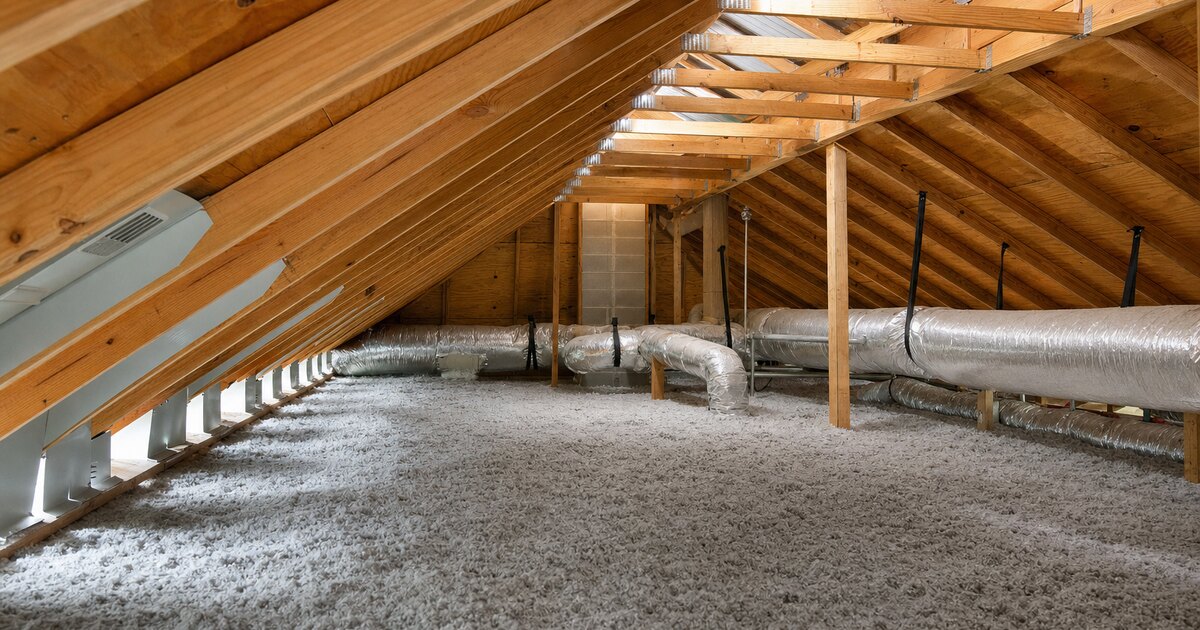
Attic ventilation and insulation do different jobs in a Louisiana home. Ventilation moves outside air through a properly designed vented attic to support moisture control and durability. Insulation slows heat flow across the ceiling or roofline. Air sealing limits humid-air and conditioned-air leakage. One measure cannot replace the others.
The right approach depends on whether the attic is vented or unvented, where the thermal and air-control layers sit, and whether ducts or HVAC equipment are in the attic.
What Is the Difference Between Attic Ventilation and Insulation?
Attic ventilation provides an intended air path, usually from low intake vents to high exhaust vents, in a conventional vented attic. Insulation resists conductive heat flow. Air sealing closes gaps that let air move through the ceiling plane. Roof reflectivity reduces some solar heat at the exterior surface.
| Measure | Primary job | What it does not do |
|---|---|---|
| Ventilation | Supports moisture management and durability in a vented attic | Does not add insulation value or seal ceiling leaks |
| Insulation | Slows conductive heat flow | Does not stop air leakage through gaps |
| Air sealing | Limits uncontrolled air movement | Does not replace insulation or roof repair |
| Reflective roofing | Reduces some solar heat absorbed at the roof | Does not repair ducts, insulation gaps, or moisture sources |
The Department of Energy's Consumer Guide to Durable Attics, published in August 2021, emphasizes insulation, air sealing, moisture control, and proper venting as parts of a durable attic rather than interchangeable upgrades.
Is Your Louisiana Attic Vented or Unvented?
A vented attic normally places insulation and air control at the ceiling, with outside air moving above that layer. An unvented attic moves the insulation and air-control layer to the roofline and brings the attic into the building enclosure. Details from one system should not be added casually to the other.
Signs of a conventional vented attic may include soffit or eave intakes and ridge, roof, or gable exhaust openings. Their presence alone does not prove that air can flow correctly. Insulation, storage, debris, or framing can block intake paths, while an oversized exhaust fan can pull conditioned air through a leaky ceiling.
An unvented attic needs a designed roofline insulation and moisture-control assembly. Do not add vents to it without a building-science review. If the attic type is unclear, identify it before changing roofing, insulation, ventilation, or HVAC equipment.
Which Upgrade Should Come First?
Start by correcting water entry, unsafe conditions, and indoor exhaust that terminates in the attic. Then assess ceiling air leakage, insulation condition, ducts, and the intended ventilation path. Adding a vent or more insulation before fixing a roof leak or moisture source can hide rather than solve the problem.
Use this order for an assessment:
- Inspect for roof leaks, wet decking, and damaged flashing.
- Confirm that bathroom, kitchen, and dryer exhaust terminates outdoors.
- Identify whether the attic is vented or unvented.
- Check the location and continuity of the air-control layer.
- Check insulation depth, coverage, compression, gaps, and moisture.
- Review duct leakage and insulation when ducts cross the attic.
- Evaluate intake and exhaust openings for the intended vented design.
If water has entered, start with South Louisiana shingle roof repair or metal roof repair services before adding insulation.
Does More Attic Ventilation Always Lower Cooling Costs?
No. More airflow does not automatically lower cooling costs, especially when the ceiling leaks or HVAC ducts are in the attic. A powered fan can pull conditioned air from the house if replacement air enters through ceiling gaps. Ventilation should be designed for the attic assembly and treated mainly as a moisture and durability measure.
Cooling performance depends on the whole system: roof reflectivity, insulation, air sealing, duct location and leakage, HVAC efficiency, shade, thermostat use, and indoor humidity control. The Louisiana energy-efficient roofing guide compares these measures and explains why no roof product can guarantee a fixed utility reduction.
How Does Louisiana Humidity Affect the Decision?
Louisiana humidity makes uncontrolled air movement and wet materials especially important. Humid air can reach cooler surfaces and contribute to condensation when an assembly is poorly designed. Roof leaks, bathroom exhaust, duct leakage, and ceiling gaps can add moisture from different directions, so the source must be identified before a solution is chosen.
LSU AgCenter describes South Louisiana as Climate Zone 2 in its radiant-barrier guidance. The same guidance says radiant barriers are supplemental, need an adjacent air space, and may add little energy savings when reflective roofing, recommended insulation, and conditioned-space HVAC are already present.
What Should a Roofing Estimate Say About Ventilation?
A roofing estimate should identify the existing attic type, current intake and exhaust, proposed vent changes, and the limits of the roofer's scope. It should not promise that adding vents will correct insulation, duct, HVAC, or indoor-humidity problems.
Ask these questions:
- Is the attic intended to be vented or unvented?
- Where are the insulation and air-control layers?
- Are intake paths open from the eaves?
- Does indoor exhaust terminate outdoors?
- Are ducts or HVAC equipment in the attic?
- Which ventilation changes are included in the roof scope?
- Which findings require an insulation, HVAC, or building-envelope professional?
Who Can Evaluate the Roof Portion of the Attic System?
Roofs Restored can inspect the exterior roof, visible leaks, flashing, ventilation components included in the roofing scope, and accessible roof-deck conditions. Specialized air-leakage testing, insulation design, duct testing, combustion safety, and HVAC work may require the appropriate trade professional.
Request a free roofing estimate for a South Louisiana home, or compare cool roof shingles for Louisiana when replacement creates an opportunity to review roof reflectivity. When scheduling, describe active water, visible vent conditions, and whether attic access appears dry and stable. Ask the estimator to separate the roofing findings from insulation, duct, HVAC, and building-envelope work that requires another trade.
Sources Reviewed August 1, 2026
- U.S. Department of Energy, Consumer Guide to Durable Attics, August 2021
- LSU AgCenter, Radiant Barriers in Roofs and Walls, January 23, 2007
- ENERGY STAR, Air Sealing and Insulation Savings Methodology