Roofing insight
Why Metal Roofs Are Great for Louisiana
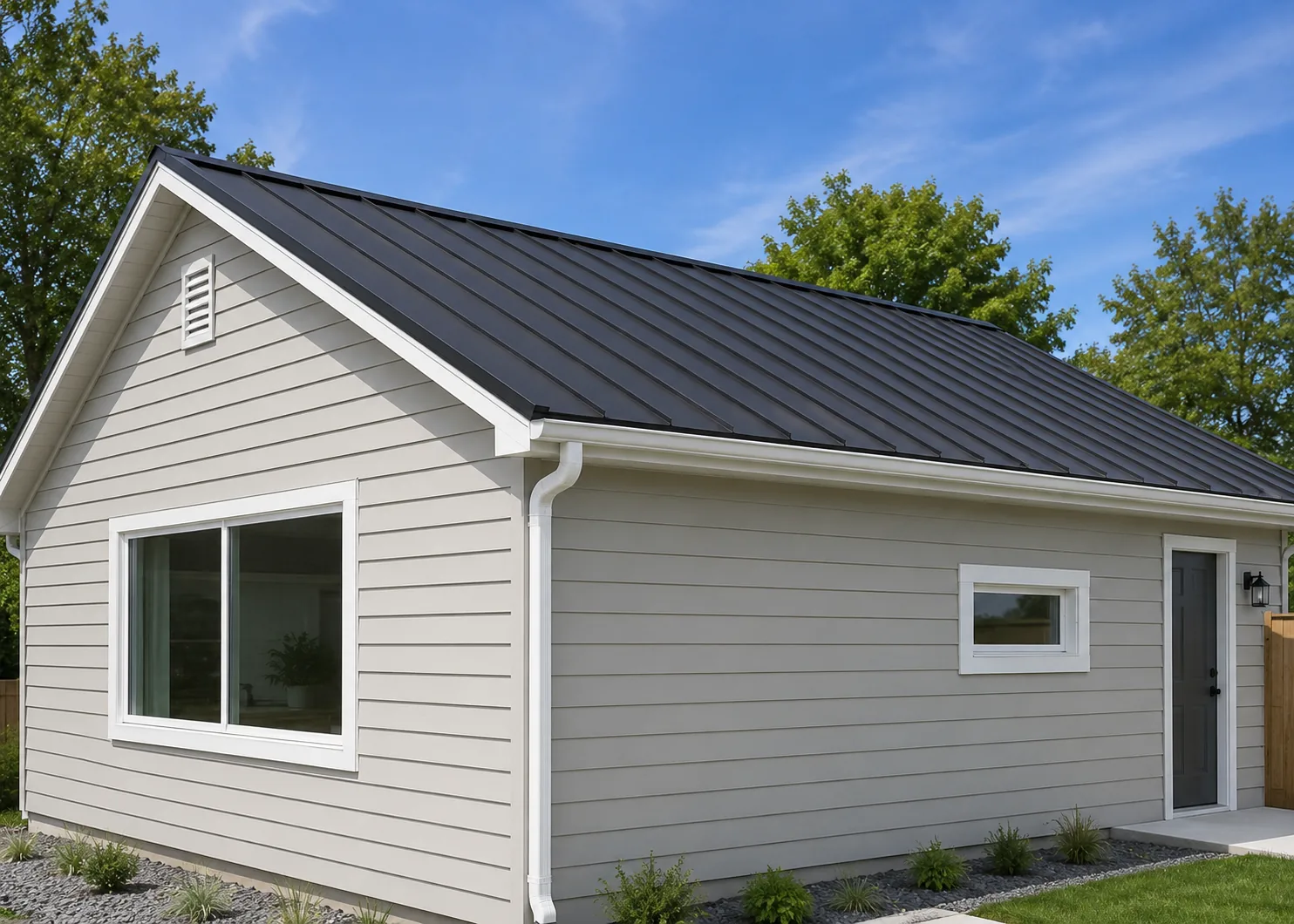
For Southern Louisiana homes, metal roofing can be a strong option because a properly specified and installed system can shed heavy rain, resist moisture, reflect solar heat, and outlast many asphalt roofs. Actual performance depends on the panel type, coating, fasteners, installation, maintenance, and the product's tested wind and impact ratings.
The four main benefits to compare are:
- Humidity and moisture performance: Metal panels do not absorb water, but seams, flashing, ventilation, and drainage still determine how the complete roof manages moisture.
- Severe-weather durability: Tested systems can resist high winds, heavy rain, and hail, with performance varying by product and installation.
- Energy performance: Reflective finishes can reduce roof heat gain and may lower cooling demand during hot weather.
- Long-term ownership cost: A longer service life and less routine upkeep may offset a higher initial price for some homeowners.
Southern Louisiana's weather and environmental conditions require resilient roofing materials. Metal roofs can suit the region and may need fewer roof repairs than some alternatives, but homeowners should compare product ratings, installation details, and maintenance requirements before deciding.
How Does Metal Roofing Perform in High Humidity?
Metal roofing can perform well in high humidity because coated panels do not absorb water, but the complete assembly still has to manage rain and condensation. Proper seams, flashing, underlayment, drainage, and attic ventilation matter as much as the panels themselves, especially during Southern Louisiana's long humid season.
Resisting Moisture Damage
Southern Louisiana's humid climate poses significant challenges for roofing materials. Properly coated metal panels do not absorb water like wood and are less susceptible to moisture-related deterioration than some materials. The complete roof is not automatically impervious to water: seams, fasteners, flashing, underlayment, and installation quality determine whether water stays out. A well-installed system can maintain its structural integrity and reduce maintenance needs over time, which may mean lower long-term repair expenses.
Preventing Mold and Mildew
The warm and moist conditions prevalent in Southern Louisiana can support mold and mildew growth. A clean, non-porous metal panel surface is less hospitable to this growth than an absorbent material, although organic debris can still collect on the roof and moisture problems can still develop below it. Limiting water intrusion and condensation helps protect indoor air quality because mold and mildew can contribute to respiratory problems and allergies. Metal roofing can reduce some moisture-related risks, but it does not replace proper ventilation, drainage, and maintenance.
Impacting Indoor Comfort Levels
Metal roofs not only offer protection against moisture but can also contribute to improved indoor comfort. Reflective finishes can reduce radiant heat absorption, which may help maintain cooler indoor temperatures in hot, humid conditions. The effect on air-conditioning use and utility bills depends on the coating, color, insulation, ventilation, building design, and energy prices. For Southern Louisiana homeowners, those factors determine whether a metal roof improves energy efficiency and indoor comfort.
How Can Metal Roofing Handle Severe Weather?
Metal roofing can handle severe weather when the selected system has tested wind and impact ratings suited to the property and local code. Panel profile, metal gauge, clips, fasteners, flashing, underlayment, roof deck, and installation quality all affect performance during Southern Louisiana wind, rain, and hail events.
Withstanding Hurricane-Force Winds
Southern Louisiana is no stranger to hurricanes and severe weather patterns. This challenging environment requires roofing materials that can withstand high winds. Metal roof systems with appropriate tested ratings can be engineered for hurricane-force winds, but no rating applies to every panel or installation. Homeowners should ask for the selected system's documented wind rating and confirm that the fastening method meets the project's requirements. Reducing storm damage can decrease roof repair costs over time.
Protecting Against Heavy Rainfall
In addition to high winds, Southern Louisiana often experiences heavy rainfall, which can lead to significant water damage if roofs are not adequately equipped. Properly installed interlocking panels, flashing, and underlayment create a weather-resistant assembly rather than an unconditional watertight barrier. Roof slope and drainage further aid runoff and help limit pooling and potential leaks. These details can reduce the risk of water damage to structural elements and belongings, along with the need for water-related repairs.
Promoting Survivability in Hail Storms
Metal roofs can also perform well in hailstorms, which are not uncommon in Southern Louisiana. Resistance to dents and punctures varies by metal type, gauge, panel profile, roof deck, and the product's tested impact rating. A rated system may reduce the likelihood of structural damage compared with a more brittle material, but cosmetic dents can still occur. Homeowners should compare impact ratings rather than assume every metal roof will avoid post-storm repairs.
How Can Metal Roofing Affect Energy Use?
Metal roofing can reduce roof heat gain when it uses a reflective finish, which may lower cooling demand in hot weather. Savings are not automatic: coating, color, insulation, ventilation, building design, thermostat settings, and energy prices determine how much a Southern Louisiana household may save. Compare those factors in the South Louisiana cool-roof and energy-efficiency guide.
Increasing Reflectivity
One of the standout features of metal roofs is their reflective properties, which play a significant role in regulating roof temperature. In Southern Louisiana, where temperatures can soar, this reflectivity helps in minimizing heat absorption. Metal roofs reflect a significant portion of solar heat, unlike traditional roofs that absorb and retain it. As a result, homes remain cooler, lessening the dependency on air conditioning systems. This reduced energy demand not only lowers utility bills but also decreases the home's environmental footprint. Such energy efficiency aligns well with the growing emphasis on sustainable living practices.
Reducing Cooling Costs
The energy performance of a metal roof can affect cooling costs, a notable consideration for residents in warm climates like Southern Louisiana. By reducing heat gain, some households may reduce air-conditioning demand and summer energy bills. Any return on investment depends on the roof finish, home, energy use, installation cost, and local utility rates.
Consuming Less Energy
Metal roofing's contributions to energy efficiency tie into broader environmental benefits. Lower energy consumption equates to fewer greenhouse gas emissions, aligning with both personal and global sustainability goals. Additionally, many metal roofing materials are made from recycled content and are fully recyclable at the end of their lifespan. This lifecycle environmental benefit makes metal roofs an attractive choice for eco-conscious homeowners. Overall, the adoption of metal roofs can be a critical component of a holistic approach to reducing a home's ecological footprint.
How Do Longevity and Maintenance Affect Cost?
Longevity can spread a metal roof's higher initial cost across more years, while periodic inspections and timely maintenance help protect that service life. The result still depends on the specific metal, coating, roof design, installation, climate, and upkeep, so homeowners should compare complete systems rather than material labels alone.
Analyzing Cost Over Time
While the initial cost of a metal roof may be higher than traditional roofing materials, its longer service life can improve cost-effectiveness. The U.S. Department of Energy's Building America Solution Center metal roof guide, updated September 26, 2021, states that a metal roof can last up to 50 years or more. This durability can reduce replacement and repair frequency, spreading costs over a longer period. The actual return on investment depends on the system, maintenance, local climate, installation price, and the cost of alternatives, so homeowners should compare lifecycle costs rather than assume savings.
Needing Minimal Maintenance Requirements
The robustness of metal roofing extends beyond longevity to encompass low maintenance requirements. In contrast to other roofing options that may demand regular upkeep, metal roofs require little more than periodic inspections and cleaning to maintain optimal performance. This low-maintenance approach translates into reduced labor costs and less time spent on roof care for homeowners. By eliminating the need for frequent roof repairs, metal roofs allow for higher efficiency in home maintenance efforts. Consequently, homeowners can allocate resources to other priorities while enjoying the safe, continuous protection of their home.
Considering Resale Value Implications
The installation of a metal roof can affect a property's resale value, a notable consideration for homeowners. Durability and energy performance may appeal to potential buyers, but any effect on valuation depends on the local market, roof condition, appearance, and documentation. Interest in sustainable and low-maintenance home features can support marketability, while the aesthetic versatility of metal roofing can enhance curb appeal. A metal roof provides current benefits and may strengthen a property's long-term value proposition without guaranteeing a higher sale price.
Metal roofing can provide Southern Louisiana residents with a reliable, long-lasting, and recyclable roofing option when the system is properly selected, installed, and maintained. Compare Roofs Restored's metal roof services in South Louisiana with shingle reroofing options, or review shingle roof repair services if the damage may be isolated. When you are ready for an assessment, request a free roofing estimate.